Blogs

Blogs

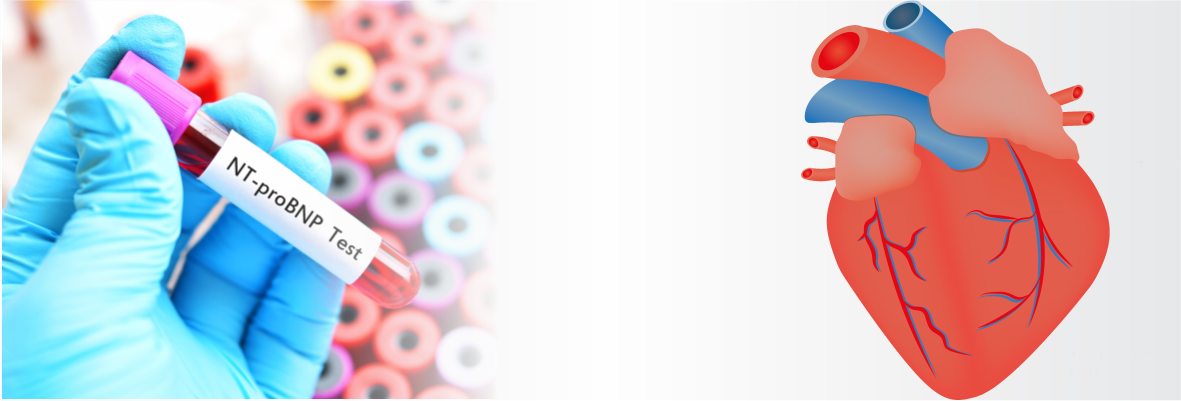
Article on NT-pro BNP as a Biomarker: Diagnostic and Prognostic Applications in Heart Failure

Introduction

Heart failure (HF) is one of  leading global health issue. The disease primarily presenting with symptoms that lack specificity and may be confused with other ailments. Early recognition and correct diagnosis are fundamental for optimal treatment and improved health outcomes. Among several biomarkers, NT-pro BNP (N-terminal pro-B-type natriuretic peptide) has emerged as a highly reliable and is extensively used diagnostic and prognostic marker in the management of heart failure. NT-pro BNP levels reflect myocardial wall stress and ventricular dysfunction, offering clinicians a powerful tool for both diagnosis and disease monitoring.

Clinical Significance of NT-proBNP

1. Biomarker of Cardiac Stress- the myocardium produces NT-pro BNP as a reaction to heightened wall stress resulting from fluid or pressure build-up.

2. Diagnosis of Heart Failure-Elevated NT-pro BNP levels are highly sensitive for diagnosing heart failure, especially in patients presenting with symptoms like dyspnoea.

3. Differentiation of Cardiac vs. Non-Cardiac Causes-Helps differentiate heart failure from other contributing factors like shortness of breath, such as lung diseases.

4. Risk Stratification and Prognosis-Higher NT-pro BNP levels correlate with worse cardiac function and predict increased risk of mortality and hospitalization.

5. Guiding Therapy-Serial measurements can guide treatment decisions and monitor response to heart failure therapies.

6. Predicting Outcomes Post-Acute Events-Useful in predicting prognosis after acute coronary syndrome or myocardial infarction.

7. Screening Tool-Can be used for screening high-risk populations (e.g., elderly, hypertensive patients) for early cardiac dysfunction.

Diagnostic and Prognostic Applications

Core clinical laboratories employing high-throughput analysers for expedited cardiac biomarker testing. Commonly used methods to detect NT-pro BNP levels in laboratories include electrochemiluminescence (ECLIA), Chemiluminescence Immunoassay (CLIA), Enzyme-Linked Immunosorbent Assay (ELISA), and fluorescence-based immunoassay methods (FIA).

NT-pro BNP  iCLIA  Diagnostic Kit is intended for the in vitro quantitative measurement of NT-pro BNP in human serum/plasma as an aid in the diagnosis of Cardiac Failure.

Normal range for NT pro BNP in men is generally lower than in women, with an approximate upper limit of <125 pg/mL (for non-acute settings). Women, is slightly higher than men; approximate upper limit: <150-200 pg/mL (for non-acute settings).

Conclusion

NT-pro BNP has pioneered the management of heart failure by offering a simple yet powerful biomarker for both diagnosis and prognosis. Due to its close association with cardiac stress, excellent sensitivity, and vast clinical applicability, NT-pro BNP has become a cornerstone in contemporary cardiology. Although it lacks direct biological activity, its ability to reflect myocardial dysfunction is of significant clinical importance. Integration of NT-pro BNP measurement into clinical pathways has significantly improved patient care through earlier detection, risk stratification, and monitoring of heart failure.

Explore the Product…

Article on AMH diagnostic significance

Anti-Müllerian Hormone (AMH) is generated by the testes in males and ovaries in females. In females, AMH is essential for follicle development within the ovaries, regulating the growth of these follicles and serving as an indicator of ovarian reserve, which reflects the number of viable eggs remaining in a woman. In males, AMH is secreted by Sertoli cells in the testes. It plays a vital role in the development of male reproductive organs by triggering the regression of Müllerian ducts during embryonic development, which is necessary to form male genitalia.

AMH levels can be measured via a blood test and are commonly used in fertility evaluations and to monitor conditions like polycystic ovary syndrome/Disorder (PCOS/PCOD). For example, low AMH levels in females may indicate reduced ovarian reserve, which can impact the fertility of an individual. During fetal development, AMH is crucial for forming the sex organs of babies. In male embryos, higher AMH levels prevent the growth of female reproductive organs, while female embryos require only minimal AMH for their development. In women, AMH is produced by the cells within ovarian follicles—tiny fluid-filled ovary sacs containing and releasing eggs.

AMH levels reflect the ovarian reserve, which is the number of eggs the person has:

  • Higher AMH levels mean more eggs and a higher ovarian reserve.
  • Lower AMH levels mean fewer eggs and a lower ovarian reserve.

What does an AMH test tell you?

An AMH test provides insight into your remaining egg count and can indicate if your ovaries are aging prematurely, which may affect your window for conception. It can also help assess how well you might respond to injectable fertility medications designed to stimulate the maturation of multiple eggs for in vitro fertilization (IVF). Although AMH levels are related to egg count, they do not predict fertility outcomes or the timing of menopause.

AMH levels vary depending on your age. In women, AMH levels rise during adolescence, peak around age 25, and gradually decline. AMH levels are measured in ng/mL. Experts debate how to define typical AMH levels, but these are general ranges:

Average: Between 1.0 ng/mL to 3.0 ng/mL

Low: Under 1.0 ng/mL

Severely low: 0.4 ng/mL

Since labs use different equipment, the results may vary slightly from lab to lab.

A look at the significance of AMH as a biomarker

  1. Ovarian Reserve Assessment

AMH Levels as a Marker: AMH is a crucial indicator of ovarian reserve. It refers to the quality and quantity of a woman’s remaining eggs. Higher levels of AMH generally indicate a greater number of ovarian follicles, suggesting a higher ovarian reserve. Lower levels of AMH may indicate reduced ovarian reserve, which can be associated with conditions like diminished ovarian reserve (DOR) or approaching menopause.

Clinical Use: AMH levels can help assess fertility potential, especially in women considering Assisted Reproductive Technologies (ART) such as in vitro fertilization (IVF). They’re used to estimate how many eggs might be retrieved in an IVF cycle.

  1. Diagnosis and Treatment of PCOS

AMH in PCOS: Women with PCOS typically exhibit higher AMH levels because of the abundance of small follicles in their ovaries. Elevated AMH levels can support the diagnosis of PCOS, though it’s normally used alongside other diagnostic criteria such as ultrasound findings and clinical symptoms.

  1. Menopause and Age-Related Fertility Decline

AMH and Menopause: AMH levels decline with age, reflecting the gradual loss of ovarian follicles as women approach menopause. Testing AMH levels can help estimate the onset of menopause and assess the remaining reproductive lifespan.

  1. Assessment of Response to Ovarian Stimulation

AMH and IVF Cycles: AMH levels can predict ovarian response to stimulation medications used in IVF. Women with higher AMH levels often respond better to ovarian stimulation. This can help tailor treatment protocols and improve outcomes in fertility treatments.

  1. Ovarian Disorders

AMH in Ovarian Conditions: Low AMH levels can indicate conditions affecting ovarian function, such as Primary Ovarian Insufficiency (POI) or Premature Ovarian Failure (POF). High AMH levels, while often associated with PCOS, can also sometimes be seen in other ovarian disorders.

  1. Male Fertility

AMH in Men: AMH is produced by Sertoli cells in the testes. It is essential in sexual differentiation during fetal development. Elevated levels of AMH in adult men can be associated with certain types of testicular tumors or other disorders.

Advanced AMH Point-of-Care Tests

a. Lateral Flow Devices (Home-Based Kit)

Lateral flow tests, similar to pregnancy tests, have been conceptualized for AMH, but they are less commonly used in clinical practice. They are designed for simplicity and rapid results, though validation and widespread availability are still in development.

b. ELISA-Based Kit

Some ELISA-based kits for AMH can be adapted for near-POC use, providing faster results than standard lab assays. These are typically used in fertility clinics and specialized settings.

c. CLIA-Based Kit

CLIA-based point-of-care detection of AMH is a developing area, combining the accuracy of chemiluminescence with the convenience of rapid testing. CLIA involves using chemiluminescent labels to detect and quantify the presence of a specific analyte (AMH) in a sample. The process relies on a chemical reaction that emits light, which is then measured to determine the concentration of the target hormone.

Conclusion

AMH is a valuable biomarker with significant applications in fertility assessment, diagnosis of reproductive disorders, and ovarian health management. It provides valuable insights about ovarian reserve, response to fertility treatments, and certain reproductive conditions.

Explore the Product…

Advances in Rapid Diagnostic Tests for Dengue

Dengue fever, often called “breakbone fever,” is an illness caused by the dengue virus. This disease is transmitted to humans through mosquito bites and remains a significant public health concern, especially in tropical and subtropical regions. Most will get better in 1–2 weeks. Some people develop severe dengue fever and need care in a hospital. There is no specific treatment for Dengue. The focus is on treating pain symptoms. Most instances of dengue fever can be managed at home using pain relievers. However, in severe cases, Dengue can be life-threatening. This contagious ailment affects millions globally each year. Timely and precise diagnosis is essential for promptly initiating suitable treatment, saving lives, and alleviating strain on healthcare infrastructures. Rapid diagnostic tests (RDTs) have emerged as promising tools to transform Dengue diagnosis, offering a swift and accessible means of identifying the infection. This article explores the importance of rapid typhoid tests, advancements, benefits, and challenges for effective integration.

The importance of rapid testing for dengue diagnosis: Rapid testing for dengue fever is not only crucial for improving individual patient outcomes. It also plays a pivotal role in public health efforts to control and manage the spread of the disease. It supports early intervention, accurate diagnosis, and effective public health responses, ultimately contributing to reduced morbidity and mortality associated with dengue fever outbreaks.

Types of RDTs for Dengue

Rapid diagnostic tests (RDTs) for dengue fever typically fall into two main types based on what they detect: NS1 antigen tests and antibody (IgM/IgG) tests. Additionally, some RDTs combine NS1 antigen and antibody detection in a single test (combo tests), offering a comprehensive diagnostic approach that enhances sensitivity and specificity across different stages of infection.

  1. NS1 Antigen Tests:

Principle: These tests detect the dengue virus non-structural protein 1 (NS1) in the blood.

Timing: NS1 antigen is detectable early in infection, usually within the first few days of symptom onset and up to around nine days after symptoms onset.

Advantages: High sensitivity and specificity in the early phase of illness when viral loads are high, aiding in prompt clinical management and patient triage.

  1. Antibody (IgM/IgG) Tests:

Principle: These tests detect dengue-specific antibodies the immune system produces in response to the virus.

Timing: IgM antibodies typically appear around 3-5 days after symptom onset and persist for several weeks, while IgG antibodies develop later and can persist for months to years.

Advantages: It is convenient, rapid (results within 15-30 minutes), and helpful for diagnosing secondary dengue infections after the acute phase (IgG presence indicates past infection).

Limitations: IgM antibodies may cross-react with antibodies from other flaviviruses (e.g., Zika virus), potentially leading to false-positive results, especially in regions with multiple circulating flaviviruses.

Advantages of Rapid Testing for Dengue Diagnosis

Rapid testing for dengue diagnosis offers several significant advantages that significantly impact both individual patient care and public health strategies:

  1. Early Detection and Treatment: RDTs for Dengue can detect the presence of NS1 antigen or dengue-specific antibodies (IgM/IgG) within the first few days of symptom onset. Early detection allows healthcare providers to promptly initiate appropriate management, including fluid replacement therapy and monitoring for signs of severe Dengue, which can improve patient outcomes.
  2. Different Febrile Illnesses: Dengue fever shares symptoms with other febrile illnesses such as malaria and Zika virus infection. Rapid tests help distinguish Dengue from these diseases. It is imperative to ensure that patients receive the appropriate care they require while avoiding unnecessary treatments or delays in diagnosis.
  3. Reduction in Transmission: Early diagnosis through rapid testing can reduce the duration of viremia (the presence of the virus in the bloodstream), thereby potentially decreasing the risk of onward transmission of the dengue virus through mosquito bites.
  4. Resource Utilization: In resource-limited settings, where access to laboratory facilities and skilled personnel may be limited, rapid tests offer a practical and cost-effective diagnostic solution. They are simple to use, require minimal training, and deliver results rapidly, allowing timely interventions without centralized laboratory infrastructure.
  5. Supports Public Health Response: Rapid testing enhances the ability of public health authorities to respond swiftly to dengue outbreaks. It aids in resource allocation, the deployment of healthcare personnel, and the implementation of targeted interventions to control the spread of the disease.
  6. Minimally Invasive and Convenient: Rapid tests typically require a small blood or serum sample, making them less invasive and more convenient for patients than traditional laboratory-based diagnostic methods.

Rapid testing for Dengue diagnosis offers several advantages:

In recent years, there have been notable advancements in RDTs for dengue fever, such as:

  1. Quick Results: Rapid tests provide results within 15-20 minutes, allowing for prompt diagnosis and immediate medical intervention.
  2. Early Detection: Early detection facilitates early treatment, crucial for managing Dengue and preventing complications.
  3. Point-of-Care Testing: These tests can be carried out at the point of care, such as in clinics or the field, without requiring advanced laboratory equipment. This is especially advantageous in remote or resource-limited areas.
  4. Cost-Effective: Rapid tests are generally more cost-effective than traditional laboratory-based tests, making them more accessible in economically challenged regions.
  5. Facilitates Epidemiological Surveillance: Rapid testing helps in quickly identifying Dengue outbreaks and monitoring the spread of the disease in communities.
  6. Improves Patient Management: With rapid results, healthcare providers can promptly initiate appropriate management strategies, such as fluid management and monitoring for severe Dengue complications.
  7. Reduced Turnaround Time: Unlike conventional tests, which may take hours to days to produce results, rapid tests provide immediate feedback, expediting clinical decision-making.
  8. User-Friendly: Many rapid tests are designed to be user-friendly and require minimal training, enabling a more comprehensive range of healthcare professionals to administer them effectively.
  9. Supports Public Health Responses: Rapid testing contributes to faster identification and isolation of Dengue cases, crucial for preventing further transmission during outbreaks.

These advances in RDTs for dengue fever hold great promise for improving patient outcomes, reducing transmission rates, and ultimately controlling the global burden of this vector-borne disease. However, continued research and development efforts are needed to enhance the performance, affordability, and accessibility of these diagnostic tools further.

Conclusion

Rapid diagnostic tests can transform Dengue diagnosis, enabling swift intervention and improving patient outcomes. Their accessibility, accuracy, and ease of use make them indispensable tools, especially in areas with limited healthcare resources.

Explore the Product…

Advances in Rapid Diagnostic Tests for Typhoid fever

Typhoid fever, caused by the bacterium Salmonella enteric Serovar Typhi, persists as a significant public health issue, particularly in areas lacking proper sanitation and access to clean water. This contagious ailment affects millions globally each year, resulting in substantial morbidity and mortality. Timely and precise diagnosis is essential for promptly initiating suitable treatment, saving lives, and alleviating strain on healthcare infrastructures. Rapid diagnostic tests (RDTs) have emerged as promising tools to transform typhoid diagnosis, offering a swift and accessible means of identifying the infection. This article delves into the significance of rapid tests in typhoid diagnosis, their advancements, advantages, and the hurdles requiring attention for effective integration.

The Importance of Rapid Testing for Typhoid Diagnosis

Conventional approaches to diagnosing typhoid, such as blood culture and serological tests (Widal Tube test), typically entail several days to yield results. This delay in diagnosis and treatment initiation can result in severe complications. Rapid tests present a transformative solution by providing results within minutes, empowering healthcare practitioners to undertake necessary measures and administer suitable treatment without delay promptly.

Types of RDTs for Typhoid

Several types of RDTs have been developed for typhoid diagnosis, each with its advantages and limitations are-

Widal Tube test: This serological test detects antibodies produced in response to S. Typhi O & H antigens. However, it may yield false-positive results due to cross-reactivity with other infections or previous typhoid vaccination.

Typhoid IgM/IgG RDT cards: These lateral flow immunoassays detect IgM and IgG antibodies specific to S. Typhi antigens. They offer rapid results and can differentiate between acute and past infections. These RDTs have improved the detection of particular S. Typhi antibodies, reducing the risk of false-negative or false-positive results.

Advantages of Rapid Testing for Typhoid Diagnosis

The adoption of rapid tests for typhoid diagnosis offers several key benefits-

Timely Treatment Initiation: Rapid diagnosis allows for the immediate initiation of appropriate antibiotic therapy, reducing the severity of the infection and lowering the risk of complications.

Control of Outbreaks: Rapid tests enable swift identification of typhoid cases, facilitating targeted public health interventions and effective outbreak control.

Reduced Antibiotic Misuse: Accurate and prompt diagnosis helps avoid unnecessary antibiotic use, mitigating the development of antibiotic resistance.

Rapid diagnostic tests (RDTs) for typhoid fever have been a crucial development in global health, especially in regions where the disease is endemic. These tests offer rapid and precise detection of S. Typhi, the bacterium that causes typhoid fever, allowing for prompt treatment and preventing further transmission..

In recent years, there have been significant advances in RDTs for typhoid fever, including:

  1. 1. Improved Sensitivity and Specificity: Manufacturers have been refining RDTs to enhance their sensitivity and specificity, ensuring more accurate detection of typhoid infection even in its early stages. There is no such false positive, as direct antigen and antibody immune reaction is involved, and IgM antibodies are produced within 5-7 days of active, i.e., current infection. Hence, they can differentiate between current and past infections. This is crucial for prompt treatment and containment of the disease.
  2. Point-of-Care Testing: Advances in RDT technology have made it possible to conduct testing at the point of care, such as in remote or resource-limited settings, without requiring specialized laboratory equipment or trained personnel. This enables rapid diagnosis and immediate initiation of treatment, reducing the burden on healthcare infrastructure.
  3. User-Friendly Designs: Manufacturers have been focusing on developing RDTs with user-friendly designs and clear instructions, making them accessible even to healthcare workers with minimal training. This promotes widespread adoption and facilitates large-scale screening efforts in high-risk populations.
  4. Cost-Effectiveness: Efforts to reduce the cost of RDTs have made them more accessible to healthcare facilities and public health programs in low-resource settings, where the burden of typhoid fever is often the highest. Cost-effective RDTs enable broader surveillance and control efforts, leading to better disease management.

These advances in RDTs for typhoid fever hold great promise for improving patient outcomes, reducing transmission rates, and ultimately controlling the global burden of this infectious disease. However, continued research and development efforts are needed to enhance the performance, affordability, and accessibility of these diagnostic tools further.

Conclusion

Rapid diagnostic tests possess the capacity to revolutionize the field of typhoid diagnosis, facilitating timely intervention and enhancing patient outcomes. Their accessibility, accuracy, and user-friendly nature render them invaluable tools, particularly in regions with constrained healthcare infrastructure.

Explore the Product…

https://jmitra.co.in/products/typhi

Impact of Chemiluminescent Immunoassay (CLIA) in Clinical Diagnostics

Chemiluminescence assays have gained significant attraction in medical diagnostics over the past few years. This method provides a sensitive and effective means of identifying specific analytes within a sample. Chemiluminescence assays in medical diagnostics have grown rapidly as they offer numerous advantages over conventional diagnostic methods.

One primary advantage of chemiluminescence assays is their high level of sensitivity. These assays can detect trace amounts of substances, making them ideal for medical diagnostics. This higher sensitivity and quick results are particularly beneficial in urgent medical scenarios.

Moreover, chemiluminescence assays’ versatility is noteworthy. They are adept at identifying a diverse array of substances, encompassing proteins, nucleic acids, and small molecules alike. This adaptability has cemented them as indispensable instruments in diagnosing a wide spectrum of diseases and conditions.

Furthermore, chemiluminescence assays boast user-friendly features and can be executed across multiple samples, spanning blood, urine, and saliva. This accessibility renders them suitable for diverse healthcare settings, ensuring broad availability to providers and patients, even in resource-constrained environments.

Applications in Medical Diagnostics:

The expanded utilization of chemiluminescence assays in medical diagnostics has driven substantial progress within the field. These assays are now commonly used to diagnose various conditions, including infectious, lifestyle, and cardiovascular diseases. They also cover Thyroid function markers, Gonadal hormones, Tumor markers, Diabetes markers, Cardiac markers, and other markers for clinical diagnosis.

Here are some key areas where CLIA has driven progress:

Early Disease Detection: CLIA’s high sensitivity allows for detecting biomarkers at deficient concentrations, enabling the early diagnosis of diseases. This is crucial for conditions where early intervention can significantly improve outcomes, such as cancer and infectious diseases.

Precision Medicine: CLIA’s ability to quantify analytes over a wide dynamic range and its high specificity facilitate personalized treatment approaches. By measuring specific biomarkers, clinicians can tailor treatments to individual patients, optimizing therapeutic outcomes while minimizing side effects.

Monitoring Disease Progression: CLIA assays are valuable for disease progression and treatment response. Clinicians can track changes in biomarker levels over time, allowing for timely adjustments to treatment strategies and interventions.

Improved Patient Management: The automation and high throughput of CLIA systems enable efficient testing of large samples, leading to faster turnaround times for results. This expedites diagnosis and treatment decision-making, ultimately improving patient management and care.

Expanded Test Menu: CLIA systems provide multiplexing features, enabling the concurrent detection of various analytes within a single sample. he broadened test menu allows for extensive diagnostic panels, giving healthcare providers a more detailed overview of a patient’s health condition.

Research and Development: CLIA assays play a crucial role in research and development, facilitating the discovery of novel biomarkers and the validation of potential diagnostic and therapeutic targets. This research drives innovation and contributes to developing new diagnostic assays and treatment modalities.

Conclusion

The rising prevalence of chemiluminescence assays in medical diagnostics has yielded numerous advantages, particularly in diagnosing diverse diseases and conditions. As medical diagnostics progresses, the continued expansion of chemiluminescence assays is anticipated, promising further enhancements to the field and better patient outcomes. This technology’s higher sensitivity, versatility, and accessibility have solidified its status as a pivotal tool in healthcare.

Explore the Product…

https://jmitra.co.in/products/clia-analyzer

FUTURE IS CLIA

Chemiluminescent Immunoassay (CLIA)

Chemiluminescent Immunoassay (CLIA) is a method that utilizes a luminescent molecule as a signal of the analysis reaction. Luminescence is the release of visible or near-visible light when an electron moves from an excited state to the ground state, releasing energy in the form of light. Compared to absorbance, luminescence has the advantage of being an absolute measurement.

Continue reading

Efficacy of 4th Generation HCV testing: Avenues to explore.

HCV testing

Viral Hepatitis is a worldwide public health problem, and the growing burden of chronic hepatitis cases on the global healthcare system is a significant cause of concern.

There has been a constant increase in hepatitis C virus (HCV) infection. According to Institute of Liver and Biliary Sciences data, based in New Delhi, approximately 3% of the world’s population is infected with HCV, with a significantly higher percentage in the at-risk category. Continue reading

VITAMIN D AND COVID-19- IMPACT ANALYSIS

Vitamin D and Covid-19

COVID-19 is a severe respiratory disease caused by SARS CoV-2 and has infected millions worldwide. The key to handling Covid-19 infection lies in its early recognition and understanding of the clinical problems during the different progressive phases of the disease. Practical knowledge leads to a rational approach to case management and an excellent clinical outcome. Continue reading

Symptoms of malaria, Diagnosis, and prevention

Symptoms of malaria

overview

Malaria 576x1024 1
Symptoms of malaria

The most common infectious tropical disease is Malaria and an enormous public health issue. It is a parasitic disease characterized by fever, chills, and anemia caused by the malaria parasite, which is transmitted from one human to another by the bite of infected Anopheles mosquitoes. The four malaria parasites that can infect humans: are Plasmodium falciparum, P. vivax, P. ovale, and P. malariae. One more species ;P. knowlesi, which naturally infects macaques in Southeast Asia & also infects humans, is transmitted from animal to human.

Continue reading